
Korean Anti-Aging Skincare: How It Works
How Korean skincare approaches aging: prevention first, ginseng, and fermented ingredients
Korean anti-aging skincare differs from the usual Western approach. Western dermatology tends to focus on correction, treating wrinkles, sagging, and spots after they appear. Korean skincare puts prevention first, starting anti-aging routines in the mid-20s before visible signs show. The reasoning: collagen production declines by about 1% per year after age 25, and UV damage builds up over decades. Korean brands also use anti-aging ingredients from traditional herbal medicine, mainly ginseng, propolis, and fermented botanical extracts.
Common Korean anti-aging ingredients include: Korean red ginseng (ginsenoside compounds stimulate collagen synthesis and improve elasticity, the foundation of Sulwhasoo's entire line), retinol (vitamin A derivative that accelerates cell turnover, used at 0.1-0.5% in Korean products for gentler efficacy), adenosine (legally recognized as an anti-wrinkle active in Korea at 0.04%+ concentration), peptides (signal proteins that stimulate collagen, notably copper peptides and Matrixyl), fermented ingredients (Saccharomyces ferment filtrate and bifida ferment lysate enhance absorption and provide antioxidant benefits), and niacinamide (brightens age spots and improves barrier function at 2-5%). Many products combine 2-3 of these.
skincare products from brands with active idol deals
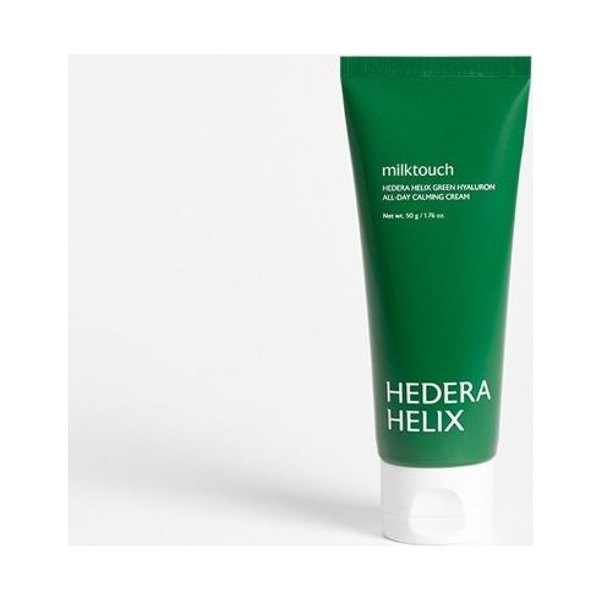
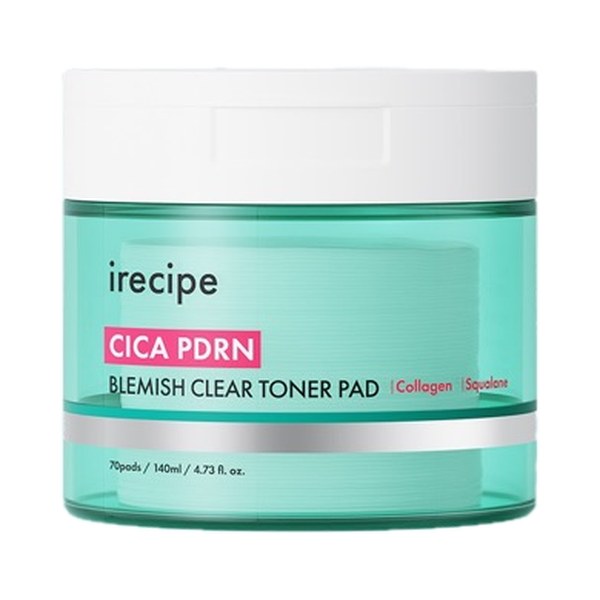
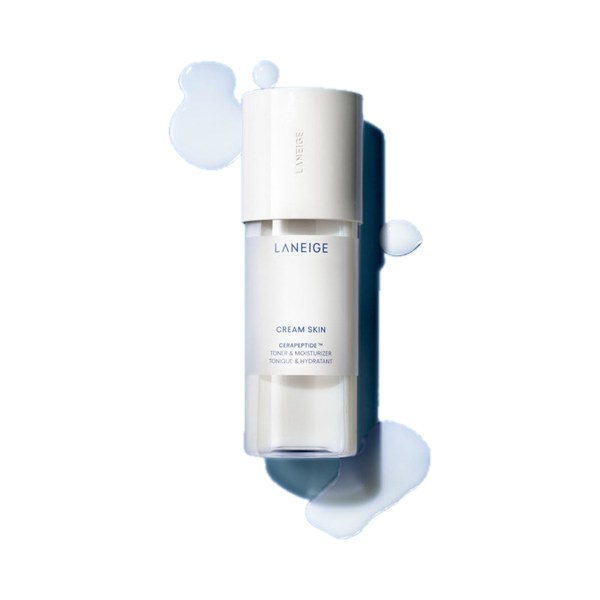
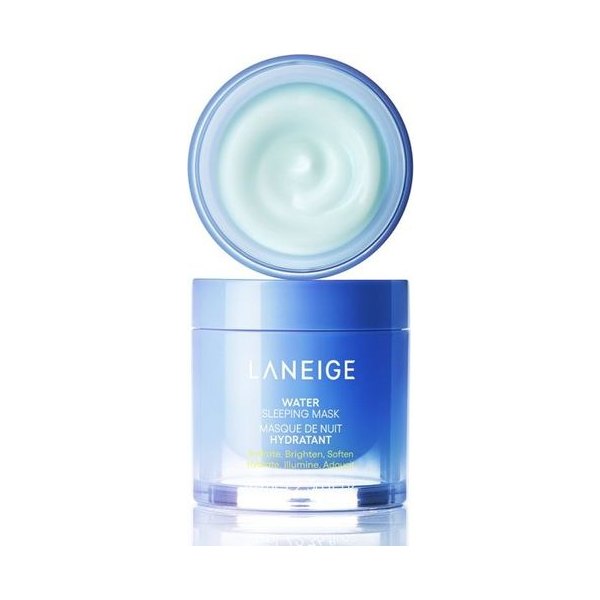
A sample Korean anti-aging routine: start with Missha Time Revolution The First Treatment Essence ($28), a fermented galactomyces essence that preps skin for active absorption. Apply COSRX The Retinol 0.1 Cream ($18) at night for cell turnover, start twice weekly and build to nightly use. Sulwhasoo Concentrated Ginseng Renewing Serum ($160) is a widely used Korean anti-aging serum. For the eye area, Sulwhasoo Timetreasure Invigorating Eye Cream ($130) targets crow's feet and under-eye hollowing. Innisfree Green Tea Seed Eye Cream ($18) offers a budget alternative with antioxidant protection. Always finish with SPF50+ PA++++ sunscreen, sun protection does the most to prevent visible aging.
Korean anti-aging products come at every price point. Budget anti-aging routine ($60-90): COSRX retinol cream ($18), Missha Time Revolution Essence ($28), Innisfree green tea eye cream ($18), Beauty of Joseon sunscreen ($14). Mid-range ($150-250): add Sulwhasoo Essential Comfort Balancing Water ($38) and Firming Cream ($88). Premium ($300-500): Sulwhasoo Concentrated Ginseng full line or The History of Whoo Bichup line. Western comparison: La Mer Creme de la Mer ($210 for 30ml) vs Sulwhasoo Concentrated Ginseng Cream ($180 for 60ml), the Korean product has double the volume at a lower price. SkinCeuticals CE Ferulic ($182) vs By Wishtrend Pure Vitamin C ($22): a large price gap between two vitamin C serums.
For anti-aging, follow the Korean principle of 'slow and steady.' Introduce actives one at a time with 2-week intervals between new products. Use retinol only at night and always pair with morning sunscreen, retinol increases photosensitivity. Apply anti-aging serums to slightly damp skin for enhanced penetration. The order matters: after cleansing and toning, apply water-based serums first (vitamin C, niacinamide), then oil-based serums (retinol), then heavier creams. Put most of your actives in your night routine, since skin repairs itself during sleep. Consider facial massage techniques popular in Korea, the 'lifting massage' using gua sha or fingers for 3-5 minutes daily is said to help drainage and product absorption.