
Ingredients to Avoid in K-Beauty Products: Safety Guide
A guide to commonly questioned cosmetic ingredients, what EWG Skin Deep is, and how to read Korean product labels
Korean beauty products are regulated under KFDA (Korea Food & Drug Administration) standards. However, not all ingredients permitted by regulators are ideal for every user. Some ingredients are associated with potential endocrine disruption, skin sensitization, or environmental harm based on emerging research. Knowing which ingredients to check helps you choose without relying on marketing claims like 'clean' or 'natural', terms that have no legal definition in any market. This guide lists ingredients that are often questioned in published research, and explains how to check a product yourself.
Ingredients people most often choose to avoid or limit: parabens (methylparaben, propylparaben, butylparaben), preservatives linked to endocrine disruption in high-dose studies; synthetic fragrance (listed as 'Parfum' or 'Fragrance'), a catch-all term that can hide dozens of undisclosed chemicals including potential allergens and sensitizers; formaldehyde-releasing preservatives (DMDM hydantoin, imidazolidinyl urea, quaternium-15), slowly release formaldehyde, a known carcinogen; phthalates (DEP, DBP, DEHP), plasticizers linked to reproductive toxicity; and chemical UV filters like oxybenzone and octinoxate, absorbed into the bloodstream and linked to coral reef damage and potential hormonal effects.
skincare products from brands with active idol deals
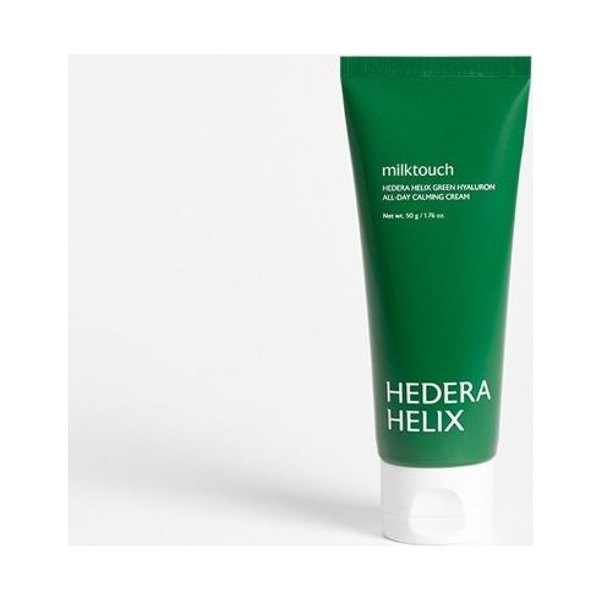
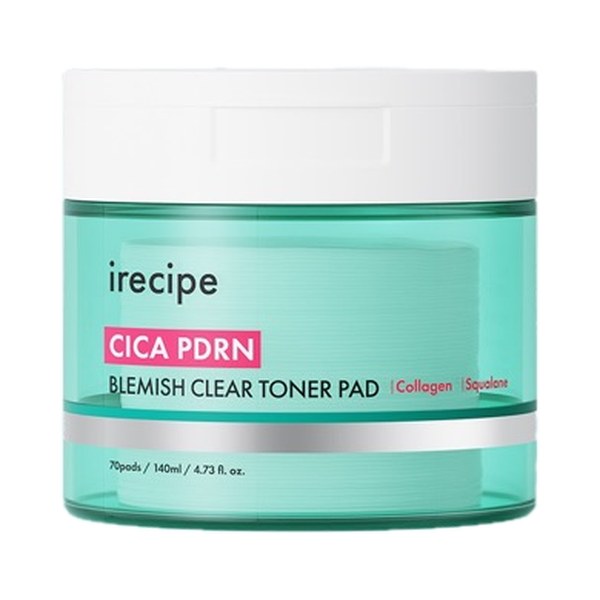
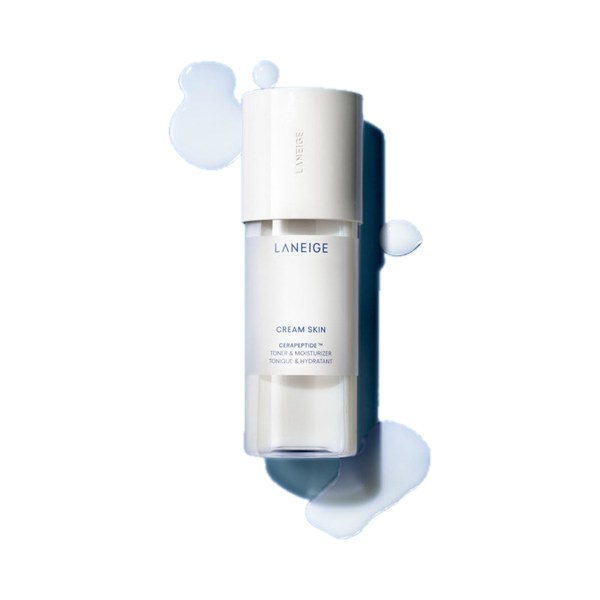
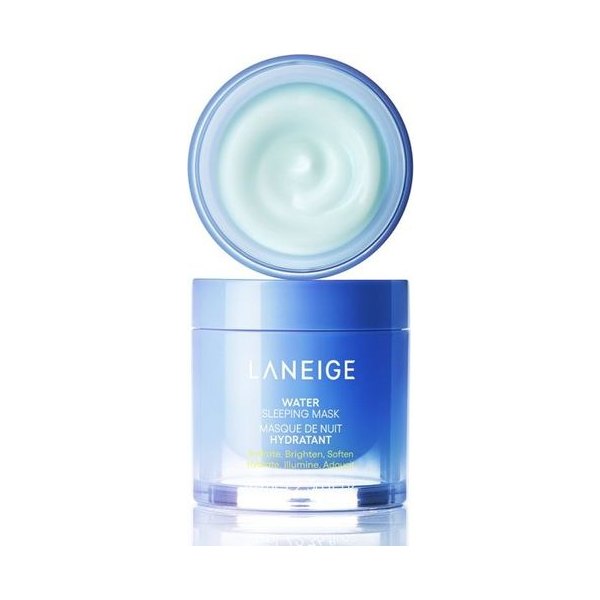
Reading Korean product labels can be challenging, but KFDA requires full ingredient lists in both Korean and INCI (International Nomenclature of Cosmetic Ingredients) format. The INCI list uses standardized Latin/English names identical to those used worldwide, making cross-referencing easy. Apps like YUKA, EWG Healthy Living, or the Korean app 'Hwahae' (literally 'cosmetics talk') let you scan a barcode and see each app's own ingredient ratings. Each app uses its own method, so the same product can look different from one app to the next.
EWG Skin Deep is a public database run by the Environmental Working Group, a US nonprofit. It gives individual ingredients a hazard rating from 1 (lower concern) to 10 (higher concern) and shows how much published data stands behind each rating. These ratings are EWG's own view, not a legal standard, and an ingredient with little data can look safer than it is. beauof does not give products an EWG score or any safety grade. To check a product yourself, take the full INCI list from the brand or retailer and look up the ingredients you care about.
Practical tips for ingredient-conscious shopping: learn the 5 ingredients listed above (parabens, synthetic fragrance, formaldehyde releasers, phthalates, oxybenzone) and quickly scan ingredient lists for these before purchasing. Prioritize products marketed as 'fragrance-free' over 'unscented', unscented products may contain masking fragrances. For lip products specifically, apply stricter standards because trace amounts are ingested; read lip product ingredient lists with extra care. Note that 'natural' does not equal 'safe', essential oils like lavender, tea tree, and citrus oils can cause contact dermatitis in sensitive individuals. Go by published research, not marketing words, and check again from time to time, since research changes and brands reformulate.
Look up an ingredient on EWG Skin Deep: ewg.org/skindeep