
K-Beauty Skincare Buying Guide
Serums, essences, creams, and how the Korean skincare routine works
The Korean skincare philosophy centers on prevention and layering, applying multiple lightweight products in a specific order to build cumulative benefits. Unlike Western skincare that often relies on a single 'hero product,' K-beauty uses a full routine, known as the 10-step routine (though many people now use a shorter 5-7 step version).
The basic steps in order: (1) Oil cleanser → (2) Water cleanser → (3) Toner/essence → (4) Serum/ampoule → (5) Moisturizer → (6) Sunscreen. Each step serves a specific function, and skipping the double cleanse or sunscreen negates much of the benefit from other products.
skincare products from brands with active idol deals
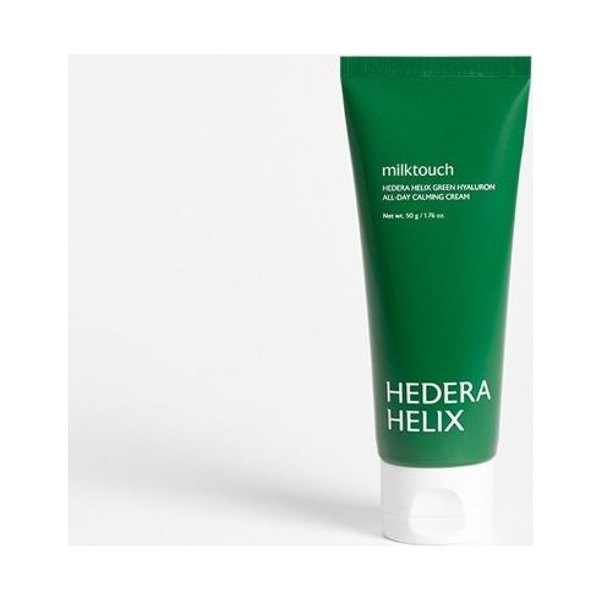
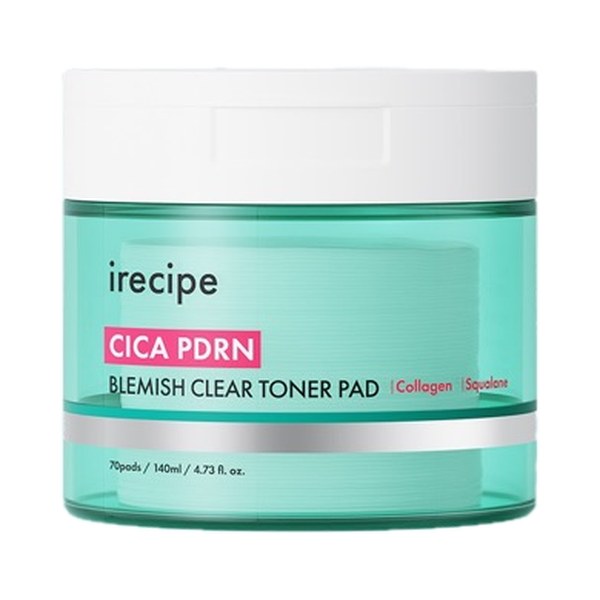
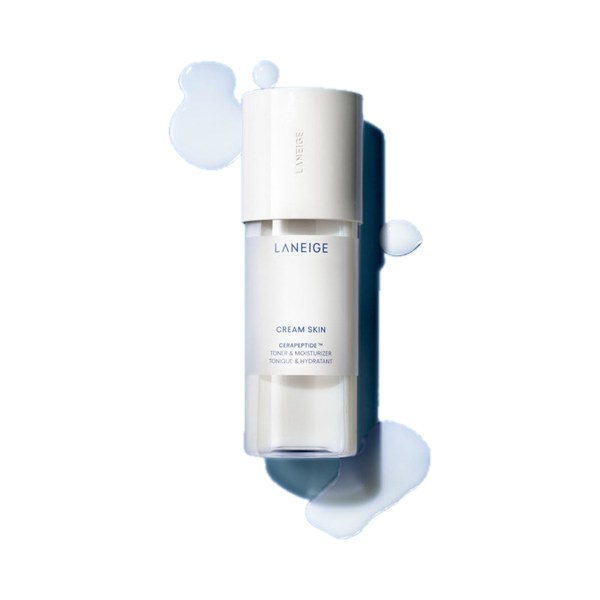
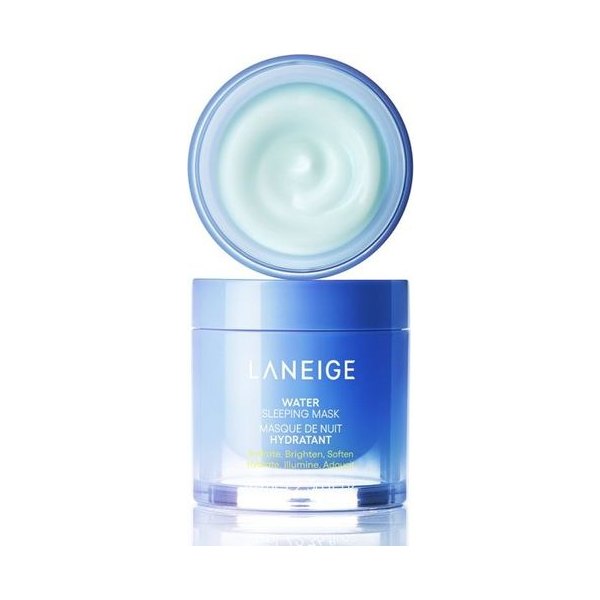
Active ingredients to prioritize by concern: Niacinamide (brightening, pore minimizing), Retinol (anti-aging, cell turnover), AHA/BHA (exfoliation, acne), Vitamin C (antioxidant, brightening), Ceramides (barrier repair), Centella Asiatica (calming, anti-redness). Check concentration, 2% niacinamide is very different from 10%.
Korean skincare prices vary widely: Mamonde Rose Water Toner ($12) vs La Mer Creme de la Mer ($210). For most active ingredients, the Korean mid-range ($15-30) is usually enough. Premium Korean brands like Sulwhasoo and The Whoo use traditional herbal ingredients (ginseng, propolis) not commonly found in Western products.
Skincare stays on the skin for hours, so the full ingredient list is worth reading. If you prefer to avoid parabens, phthalates, or synthetic fragrance, look for them in the INCI list, especially in products you leave on overnight.